Нужна подходящая световая завеса безопасности для вашей машины?
Сообщите нам тип вашего оборудования и требования к защите. Наши инженеры помогут вам выбрать подходящую световую завесу безопасности, датчик или лидар безопасности для вашего проекта.
Получите поддержку:
Стандартные и индивидуальные проекты световых завес безопасности
OEM, интеграция, дистрибуция и модернизация на заводе
Выбор продукта с учетом компоновки машины, диапазона измерений, производительности и условий окружающей среды
Быстрая подготовка предложений и техническая коммуникация
Грязный секрет: большинство проблем с датчиками - это проблемы с креплением
Крепление игнорируется.
И именно так на заводах в итоге винят датчик, ПЛК, оператора, бригаду мойщиков, ночную смену, а иногда и погоду, когда на самом деле причиной поломки стал кронштейн, прикрепленный к вибрирующей раме, а также блики, вода, отражение от нержавеющей стали или плохо проложенный кабель M12.
Знакомо?
Сначала я скажу непопулярную вещь: многие “плохие датчики” - это не плохие датчики. Это хорошие датчики, установленные во враждебной геометрии. Угол луча неправильный. Расстояние до цели незначительно. Кронштейн прогибается. Кабельный ввод обращен к брызгам. Фотоэлектрический датчик видит отражатель, блестящую упаковку или пенопласт. Датчик приближения зарыт слишком близко к металлу. Тогда кто-то просит купить более дешевую замену.
Этот цикл стоит дорого.
По данным Бюро статистики труда США 2,5 миллиона несмертельных травм и заболеваний на рабочем месте в частной промышленности в 2024 году, с общим уровнем регистрируемых случаев 2,3 случая на 100 работников с полной занятостью в своей последней Выпуск информации о травмах и заболеваниях на рабочем месте по сообщениям работодателей. Эта цифра, конечно, относится не только к датчикам. Но она объясняет, почему я не отношусь к монтажу датчиков как к косметической детали установки. На автоматизированных линиях датчики являются частью процесса управления между людьми, движением, материалами и рисками.
Правило OSHA о защите машин, 29 CFR 1910.212, В нем говорится, что ограждение станков должно защищать операторов и находящихся рядом сотрудников от таких опасностей, как воздействие в месте работы, зазубрины, вращающиеся детали, летящая стружка и искры. В качестве примера ограждения называются даже электронные устройства безопасности. Это не рекламный ход. Это линия ответственности.
Поэтому, когда мы говорим о монтаж датчика, На самом деле речь идет о том, может ли устройство видеть то, что должно видеть, игнорировать то, что должно игнорировать, выдерживать воздействие окружающей среды и оставаться физически стабильным после шести месяцев вибрации, чистки и обслуживания.
Оглавление
Тесные пространства наказывают ленивые кронштейны
Компактные рамы машин - это место, где ошибки при установке датчиков множатся. Датчик может подойти на бумаге, но не подойти на машине, потому что монтажник забыл о зазоре для гаечного ключа, радиусе изгиба кабеля, выравнивании балки, отражающих боковинах, доступе оператора или о том, что защитные кожухи и двери перемещаются после установки.
Именно здесь мне нравится логика компактные световые завесы безопасности и боковые ультратонкие световые завесы. Не потому, что слово “тонкий” звучит привлекательно. Потому что узкие рамы вынуждают идти на компромиссы, а меньшее по размеру устройство безопасности может сохранить зону обнаружения, не доводя компоновку машины до абсурда.
Но компактный - не значит повседневный.
Устройство с разрешением 10 мм, 20 мм, 30 мм или 40 мм все равно должно быть выбрано с учетом защищаемой части тела, направления приближения, общего времени остановки и расчетного расстояния безопасности. 20-миллиметровая защита ладони, установленная слишком близко к опасности, не является “эффективной”. Это проблема бумажной работы, которая только и ждет, чтобы случиться.
Что я проверяю перед тем, как подписать договор на установку в ограниченном пространстве
Я хочу видеть целевой путь, а не только размер каталога. Мне нужна ориентация кронштейна. Я хочу знать, куда выходит кабель - на чистую сторону или на сторону, подверженную загрязнению. Мне нужен чертеж, на котором изображен корпус датчика, а не внушающий надежду прямоугольник.
Для установки компактных датчиков практический перечень действий выглядит следующим образом:
Фактор крепления
Что пошло не так
Лучшая практика
Жесткость кронштейна
Датчик смещается после вибрации или незначительного удара
Используйте жесткие металлические кронштейны, запорную фурнитуру и элементы защиты от проворачивания.
Кабельный выход
Кабель M12 можно смять, согнуть или распылить прямо на него
Оставьте радиус изгиба кабеля и проложите его вдали от зон механического защемления
Слепые края
Корпус устанавливается за кромкой рамы или защитным ограждением
Держите активное поле обнаружения открытым и проверенным
Отражающий фон
Нержавеющая рама или блестящий продукт вызывают ложные возвраты
Измените угол, используйте подавление фона или переключите режим обнаружения.
Доступ для технического обслуживания
Датчик подходит, но никто не может его почистить или выровнять
Оставьте зазор для инструмента и пометьте места выравнивания
Безопасное расстояние
Устройство устанавливается там, где оно подходит, а не там, где оно защищает
Рассчитайте, используя время остановки, скорость приближения и возможность обнаружения.
Последний ряд имеет наибольшее значение.
Собственные данные OSHA управление устройством, определяющим присутствие говорится, что эти устройства обычно называются световыми завесами и предназначены для остановки хода машины при прерывании поля восприятия. Он также предупреждает, что для использования световых завес в качестве защитных устройств в точках управления необходимо выполнить множество требований. Это предложение должно напугать всех, кто считает, что монтаж - это просто сверление двух отверстий.
Помойки разрушают оптимизм
Вода находит слабые места.
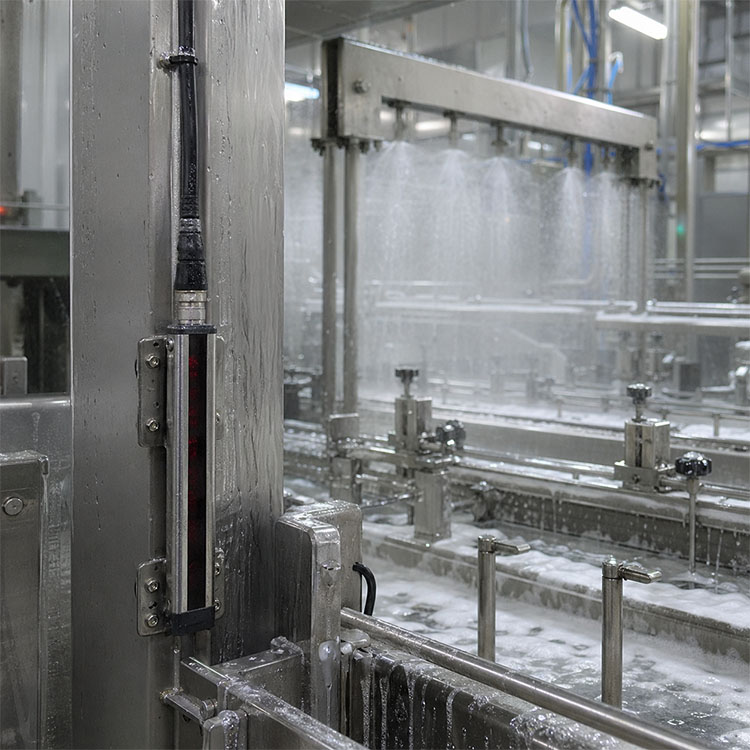
Линии по производству продуктов питания, напитков, фармацевтических препаратов и влажной упаковки жестоко относятся к датчикам, поскольку бригады санитаров не убирают вокруг хрупких инженерных предпосылок; они чистят линию, часто с помощью горячей воды, щелочных моющих средств, пены, давления и остатков химикатов, которые проникают в разъемы и линзы.
Вот почему водонепроницаемые световые завесы безопасности участвуйте в разговоре, когда на машину попадает влага, влажность, чистящий спрей или влажные остатки. Стандартные корпуса могут выдержать демонстрацию. Но это не значит, что они выдержат год мытья в третью смену.
О стандарте IP69K говорят слишком легко. Лучше сказать так: Датчики со степенью защиты IP69K предназначены для работы под высоким давлением и при высокой температуре, но эта степень не защищает от плохой прокладки кабеля, плохой затяжки разъемов, треснувших крышек объектива или кронштейна, в котором задерживается моющее средство. Технический обзор DigiKey на сайте Варианты датчиков со степенью защиты IP69K для линий по производству продуктов питания, напитков и фармацевтических препаратов отмечает, что в таких условиях часто требуются датчики, закаленные для промывки под высоким давлением и процедур "чистоты на месте".
Вот суровая правда: датчик IP69K, установленный с разъемом, направленным в зону взрыва, все еще можно использовать для технического обслуживания. Корпус из нержавеющей стали 316L может помочь в борьбе с коррозией. Корпуса из тефлона могут помочь в борьбе с химическими веществами. Поликарбонатные линзы могут быть хорошими в одних случаях и неправильными в других. Гидроксид натрия, NaOH, не очень вежлив. Надуксусная кислота, C2H4O3, тоже не вежлива. Диоксид хлора, ClO2, имеет свой характер.
А пена создает ложь.
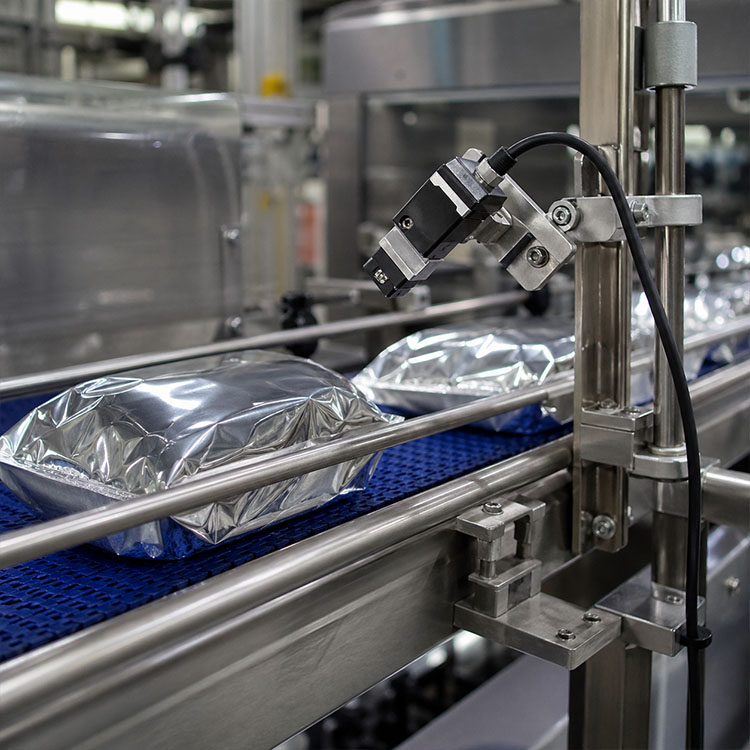
Фотоэлектрический датчик, который отлично работает на сухой картонной коробке, может неправильно распознать пену, туман, капли воды, блеск этикетки или мокрый отражатель. Датчик приближения, который отлично вел себя в дневную смену, может изменить свое поведение, если остатки продукта запеклись на лицевой стороне. Это не “случайность”. Это окружающая среда.
Правила монтажа мойки, которые я не буду обсуждать
По возможности направляйте соединитель в сторону от прямых брызг. Используйте фурнитуру из пищевого или коррозионностойкого материала там, где этого требует линия. Не допускайте, чтобы кабельные петли становились ловушками для воды. Избегайте скрытых карманов за кронштейнами, где скапливаются остатки воды. Выбирайте IP67, IP68 или IP69K, основываясь на фактическом воздействии, а не на самом красивом значке в техническом паспорте.
Для влажных растений я лучше один раз переборщу с монтажным кронштейном, чем буду менять датчики каждый квартал и делать вид, что все нормально.
Линии, вызывающие ложные срабатывания, нуждаются в геометрии, а не в догадках
Ложные срабатывания обычно имеют определенную закономерность. Проблема в том, что растения часто ищут закономерность после нескольких недель неприятных остановок, а не перед установкой.
Ложное срабатывание фотоэлектрического датчика может произойти из-за блестящей пленки, нержавеющих роликов, прозрачных бутылок, пыли, вибрации, окружающего света, влажных отражателей, нестабильного представления цели, плохого выравнивания или несоответствия режима срабатывания. Датчики со сквозным лучом, светоотражающие, диффузные, лазерные, волоконно-оптические и датчики подавления фона работают по-разному. Рассматривать их как взаимозаменяемые - ленивая инженерия.
Для обнаружения, подсчета, позиционирования объектов и управления конвейером, фотоэлектрические датчики может быть правильным инструментом. Но угол установки часто является настоящим разделителем между стабильным обнаружением и хаосом. Если продукт глянцевый, не стоит устанавливать его прямо на зеркальное отражение и удивляться. Установите датчик под углом. Используйте поляризованные светоотражающие датчики, когда это необходимо. Используйте зондирование через луч, если это возможно. Используйте подавление фона, если фон лжет.
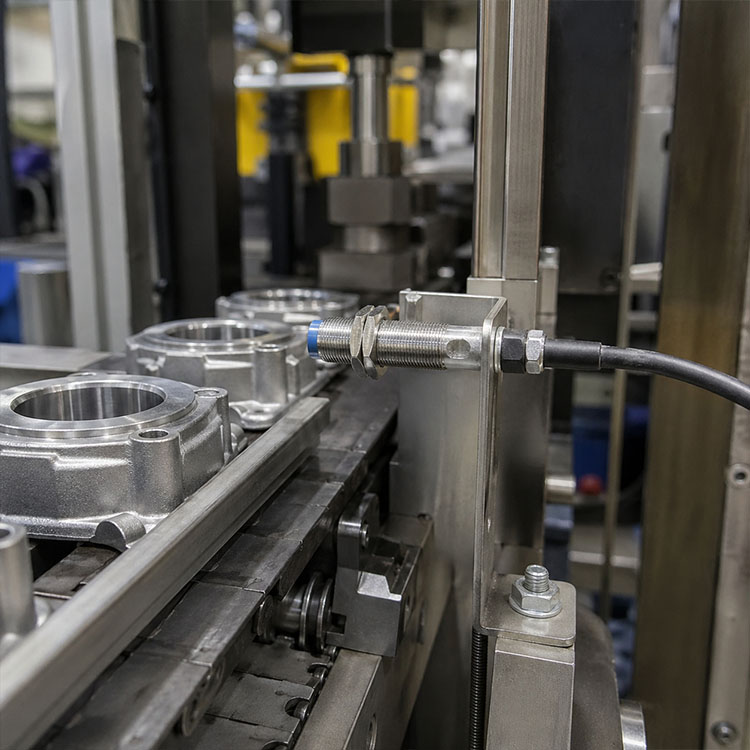
Датчики приближения влечет за собой целый ряд других ошибок при монтаже. Монтаж индуктивного датчика приближения может быть испорчен окружающим металлом, неправильным расстоянием срабатывания, путаницей между плоским и неплоским расположением, нагревом, ударами, сварочным шлаком, зонами гидравлического давления и геометрией цели. Номинальное расстояние срабатывания 4 мм не дает права устанавливать датчик на 3,9 мм на вибрирующем кронштейне и называть его стабильным.
Никаких поблажек, никакого милосердия.
В 2024 году, по данным Министерства труда США, компании G&S Metal Products грозило $182 293 предложенных штрафов OSHA после двух инцидентов с ампутацией конечностей у рабочих, связанных с неадекватной защитой и неисправностями блокировки/тагаута, включая неожиданное срабатывание одного силового пресса и закрытие другого механического силового пресса без предупреждения при очистке лома. Дело описано в релизе DOL, Компании по производству хлебобулочных изделий грозит штраф в размере $182K после двух ампутаций у работников. Это был не совсем случай “установки датчика”. Но это именно тот случай, который показывает, почему доступ к машине, логика остановки, охрана, поведение при обслуживании и надежное обнаружение не могут рассматриваться как отдельные острова.
Варианты монтажа датчиков в зависимости от состояния линии
Ниже приведен способ, которым я бы разделил проблему перед выбором оборудования. Не по бренду. По способу отказа.
Состояние линии
Оптимальная стратегия монтажа датчиков
Распространенная ошибка
Лучший внутренний ресурс
Узкая рама машины
Компактное или устанавливаемое сбоку устройство безопасности с допустимым зазором
Выбор стандартного корпуса и принудительное крепление кронштейна
Этот стол не гламурный. Хорошо. Гламур не является целью.
Стабильное крепление датчиков - это скучно, когда оно работает. Когда оно не работает, это приводит к простоям, браку, сверхурочным работам, перекладыванию вины на других, а иногда и к травмам.
Ловушка закупок: покупка датчика, а не его установка
Команды, занимающиеся закупками, любят номера моделей. Инженеры любят ограничения. Техническое обслуживание любит доступ. Производству важно время безотказной работы. Безопасность требует доказательств. Эти стимулы сталкиваются на монтажном кронштейне.
Покупатель может спросить “лучшие датчики для зон мойки” и получить список датчиков IP69K. Отлично. Но более полезным будет следующий вопрос: куда попадают брызги, какая концентрация химикатов используется, как часто производится очистка, какой целевой материал, каково монтажное расстояние, каков профиль вибрации и кто будет выравнивать датчик после смены продукта?
В этом и заключается разница между закупками и проектированием.
Для световых завес безопасности я также хочу знать требуемое разрешение, высоту защиты, время срабатывания, требования к EDM, необходимость отключения или заглушения, напряжение управления, например DC24V, тип выхода, например OSSD или NPN/PNP для небезопасных датчиков, формат разъема, например M12, и было ли измерено общее время остановки машины, а не угадано.
Предполагается измерение ударов.
В руководстве OSHA по датчикам присутствия отмечается, что безопасное расстояние от чувствительного поля до точки работы должно быть больше, чем расстояние, определяемое по формуле безопасного расстояния. Говоря простым языком, световая завеса никого не защищает, если машина все еще может поранить его до того, как остановится.
Вопросы и ответы
Что такое монтаж датчиков в промышленной автоматизации?
Монтаж датчиков - это физическое размещение, ориентация, крепление и способ прокладки кабелей, используемые для обеспечения стабильности, выравнивания, защиты и точности промышленных датчиков в реальной рабочей среде. Оно определяет, смогут ли фотоэлектрические датчики, датчики приближения, световые завесы безопасности и датчики для промывки надежно обнаруживать цели без неприятных срабатываний или пропущенных опасностей.
Плохое крепление датчика обычно проявляется в виде прерывистых неисправностей. ПЛК видит сигнал, затем теряет его. Операторы сбрасывают линию. Техническое обслуживание меняет датчик. Первопричина остается прикрученной к раме.
Как установить датчики в ограниченном пространстве?
Устанавливайте датчики в ограниченном пространстве, выбирая компактные корпуса, сохраняя радиус изгиба кабеля, обеспечивая чистоту активного сенсорного поля, используя жесткие кронштейны против поворота и обеспечивая доступ для выравнивания и обслуживания. Целью является не просто физическое соответствие, а стабильное обнаружение после вибрации, чистки, смены продукта и многократного взаимодействия с оператором.
Я предпочитаю компактные конструкции или конструкции с боковым креплением, когда рама машины не оставляет места для громоздких кронштейнов. Ловушка заключается в том, чтобы выбрать маленький датчик, а затем испортить установку слабым кронштейном или блокировкой зоны обнаружения.
Какие датчики лучше всего подходят для зон мойки?
Лучшие датчики для зон мойки - это герметичные, коррозионностойкие устройства, подобранные с учетом точного давления воды, температуры, химического воздействия, частоты очистки и места установки в линии. Датчики класса IP69K, корпуса из нержавеющей стали 316L, герметичные разъемы M12 и защищенная кабельная трасса часто предпочтительны там, где санитарная обработка под высоким давлением является регулярной.
Не покупайте IP69K как волшебный талисман. Устанавливайте коннектор вдали от прямых брызг, избегайте химических ловушек за кронштейном и подтвердите совместимость с NaOH, надуксусной кислотой, диоксидом хлора или тем, что на самом деле использует команда санитаров.
Почему происходит ложное срабатывание фотоэлектрических датчиков?
Фотоэлектрические датчики ошибочно срабатывают, когда приемник видит нежелательный свет, отражение, туман, пыль, пену, прозрачный материал, вибрацию или фоновый сигнал, похожий на целевой сигнал. Плохой угол установки, блестящая упаковка, нестабильные отражатели и неправильный режим срабатывания являются распространенными причинами на конвейерах и упаковочных линиях.
Исправить ситуацию редко бывает просто “увеличить чувствительность” и уйти. Попробуйте угловую коррекцию, поляризованную оптику со светоотражающими элементами, датчики сквозного луча, подавление фона, экранирование от окружающего света и улучшение механической стабильности.
Как следует устанавливать датчики приближения вблизи металла?
Датчики приближения должны устанавливаться вблизи металла в соответствии с их конструкцией заподлицо или не заподлицо, заданным расстоянием срабатывания, размером цели и требованиями к зазору между окружающим металлом. Индуктивные датчики приближения могут ошибаться в показаниях или терять дальность действия, если они установлены слишком близко к соседнему металлу, подвижным кронштейнам, сварочному шлаку или вибрирующей конструкции машины.
Оставьте запас. Датчик приближения, работающий на границе расстояния срабатывания, - это не стабильная работа; это запланированная аварийная остановка.
Является ли IP69K лучше, чем IP68, для датчиков, работающих под мойкой?
Класс IP69K лучше подходит для работы под высоким давлением и при высоких температурах, в то время как класс IP68 связан с защитой от погружения в воду в условиях испытаний, определенных производителем. Датчик может быть рассчитан на оба варианта, но один из классов не означает автоматической пригодности для любого влажного, химического, погружного или санитарно-гигиенического применения.
Для линий по производству продуктов питания и напитков IP69K может иметь большее значение, чем IP68, если основное нарушение - это горячие брызги под давлением. Для резервуаров или погруженных в воду мест IP68 может иметь большее значение. Все решает область применения.
Ваши следующие шаги: Перестаньте относиться к монтажу как к чему-то второстепенному
Прежде чем предлагать другой датчик, задокументируйте расположение оборудования, опасную точку, доступное монтажное пространство, целевой материал, воздействие моющих средств, источник вибрации, кабельный тракт, рабочее напряжение, тип выхода, требования к времени отклика и доступ к обслуживанию.
Затем выберите устройство.
Если ваша линия связана с тесными рамками, санитарными спреями, светоотражающей упаковкой, обнаружением металла или повторяющимися ложными срабатываниями, отправьте информацию об оборудовании команде инженеров через Страница поддержки приложений Safety Curtain или запросить прямой обзор через контактная страница. Спрашивайте советы по монтажу, а не просто номер модели. Один вопрос может избавить от необходимости месяцами винить не ту деталь.